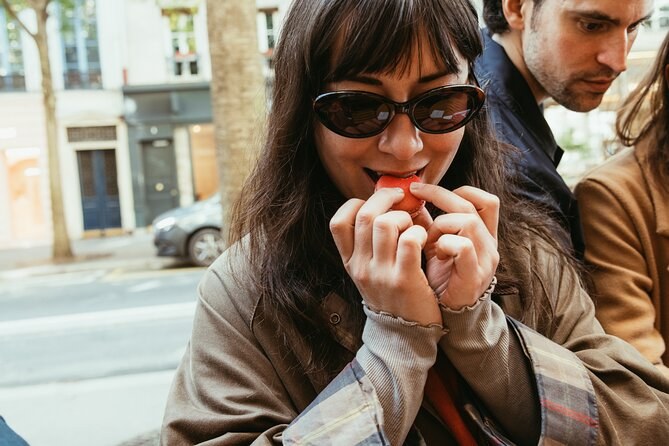
Paris Le Marais Food and Wine Tour with Eating Europe
Cheeses aged in a 17th-century cellar by a master cheesemonger, which is not a counter you walk into alone.
From $159 per person
Check Availability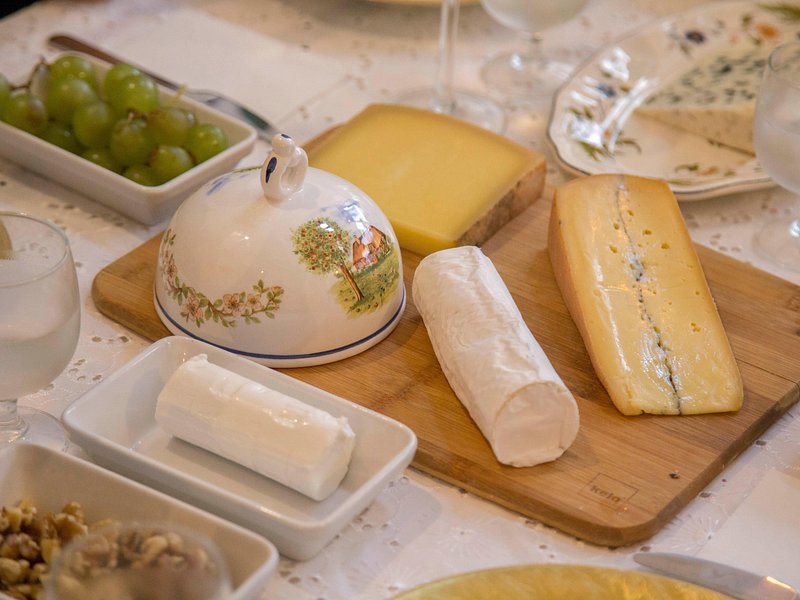
Paris has no gate and no ticket, so a guide is never buying you access. What a guide buys is a shortlist, a table and a translator. On a first trip those three are worth the fare; by your third visit two of them are things you already have. The honest split is below, stop by stop.
There is nothing to skip the queue for. On a site about a monument, a guided tour often buys timed entry and saves you ninety minutes; here it buys none, because every bakery, fromagerie, market hall and bistro on these routes is open to anyone who pushes the door.
That changes the whole calculation, and it is worth saying first. You are not comparing a tour with a queue. You are comparing a tour with a well-spent afternoon of your own.
Edit. Paris has thousands of bakeries and a few hundred worth crossing a street for. A guide has eaten in all of them on their route and discarded most.
Hold a table. Several of these walks include a seated course at an hour when you would be standing. That is not access, but it is scheduling.
Translate. Not the language — the counter. Which of nine cheeses is at its best this week, what the tray of unlabelled things is, which queue is locals and which is a coach party.
Sequence. A good route feeds you in an order: savoury before sweet, the heavy thing when you can still manage it, the wine against the food rather than after it.
Buy a croissant. Walk into a fromagerie and point. Sit at a café terrace. Cross the Rue Montorgueil at nine in the morning. None of that needs a guide, and a good part of what a walk shows you is simply that it is allowed.
The markets and streets page has the addresses, with the opening hours the city actually publishes, and the dish list tells you what to ask for.
| Guided walk | On your own | |
|---|---|---|
| Cost per head | $80–$187 | $35–$60 in food |
| Time to plan | Ten minutes | Two to four hours |
| Risk of a bad stop | Low | Real, and part of the fun |
| Pace | Set by the group | Yours |
| Access | No advantage — nothing is gated | Same doors, same hours |
| Tables | Held at each stop | Queue or go early |
| What you learn | Why it is good | Whether you like it |
Usually nothing dramatic: a mediocre croissant, an overpriced plate near a monument, a bakery that turned out to be a chain. The cost is one of nine meals on a three-day trip, which is more than it sounds.
The failure mode people underestimate is geography rather than quality. The streets immediately around the big monuments are the worst eating in the city, because they are full of places serving people who will never come back, and those are exactly the streets a first-time visitor walks down.
Ten minutes with the markets and streets page removes most of that risk for free, which is the honest alternative to booking anything.
They exist, and they are worth naming. A cheese cellar aged by the monger who sells from it, on one of the Marais walks. A private dining room where a walk finishes as a seated meal. A wine room in the 15th that takes twelve people at a time and is not a shop you wander into.
None of these is locked. All of them are places a visitor without the language or the confidence will not push into, which is a different kind of barrier and a real one.
When you speak some French. Half of what a guide translates is not the menu, it is the confidence to ask.
When you have been before. The shortlist is the product, and you already have one.
When you want to eat slowly. Ten stops in three hours is brisk. One long lunch is a different pleasure.
When your diet rules out the standard route. Several of these listings cannot accommodate vegans or coeliacs; a self-guided day has no such constraint.
On day one. Orientation is half the value and it compounds across the rest of the trip.
When you are a party of four or more. A walk has three tables held for six people on a Friday evening, which is the hardest thing here to arrange for yourself.
When you want the wine matched. Buying good wine by the glass in Paris is easy; having it poured against the food you are eating is not.
When you would otherwise not go. The honest case. Plenty of people will walk past a fromagerie for a week and eat at the hotel.
A table at a restaurant that is booked out, and the ability to eat more than you can eat. Both are worth saying, because both come up in the reviews: people who expected a guided walk to get them into a famous dining room, and people who booked a fifteen-tasting afternoon and could not finish it.
A food walk is neither a concierge nor a competition. It is a curated three hours, and the reviews that rate it lowest are almost always the ones that expected it to be something else.
One walk, early, then your own eating for the rest of the trip. It is the shape this whole site points at: you buy the shortlist once, and then use it for five days without paying again.
Several operators hand over a written list of the addresses at the end, which makes the hybrid explicit — they are selling you the map as well as the afternoon.
Worth describing, because it is the part the fare is really buying and it is invisible from a listing. They order for you in advance so the tray is out when you arrive. They put the heavy thing in the middle rather than at the end. They know which of the two fromageries on a street ages its own stock and which buys in.
They also read the group. The difference between a four-star and a five-star review in this pool is almost never the food — it is whether the guide drew everybody in or talked to the front two people, and the review pool is explicit about it.
Partly, and it is a fair way to spend a day. The stop lists on several of these listings are public: named bakeries, named fromageries, named streets. You could walk the same route with a notebook.
What you cannot reproduce is the sequence and the portioning. A walk hands you a quarter of a croque-monsieur so that you still have room for the cheese; buying it yourself means buying the whole thing, and by the third stop you are finished. That is the practical reason a self-guided food crawl usually ends after two places.
Roughly $35 to $60 a head in food and wine, if you eat the way a walk feeds you: a pastry, a cheese, a charcuterie plate, something hot, a glass or two and something sweet. The saving against a guided walk is real, and so is the time it takes to spend it well.
The hidden cost is misses. A visitor choosing at random in a touristed quarter will get one stop in three wrong, and a wrong stop on a short trip is not just money — it is one of the nine meals you had.
Less of a barrier than it was, and more of one than you would like. Central Paris shopkeepers deal with visitors all day; the fromagerie in a residential street does not, and that is exactly where the good cheese is.
A guide removes the problem entirely for three hours and leaves you slightly better equipped afterwards, which is a modest but real return. If you speak some French already, that part of the value drops sharply.
Yes, more than a food walk does. Wine is the one place where a guide is genuinely buying you something you cannot easily arrange: a sommelier pouring five French wines against five cheeses and explaining the pairing region by region is not a thing you replicate with a bottle and a map.
Both seated tastings here do exactly that, for about a hundred dollars, and they take two hours without a step outside.
Every walk here, with the quarter it works and what the fare covers.
If you would rather do it yourself, start from the quarter guide and the markets page. If you want the guided version, it is all on the Paris Food Tours grid.
Cheeses aged in a 17th-century cellar by a master cheesemonger, which is not a counter you walk into alone.
From $159 per person
Check Availability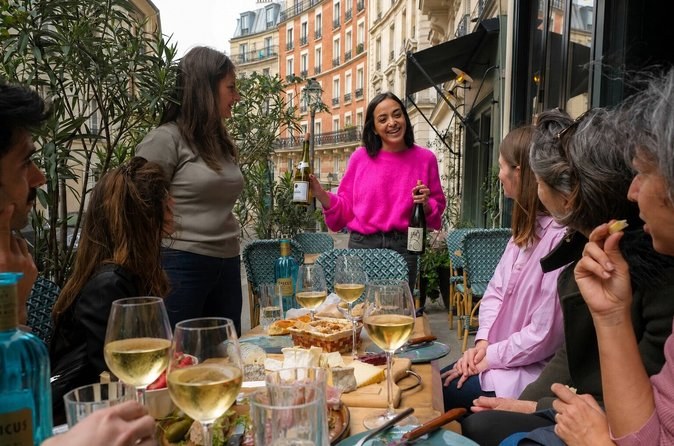
Oysters at a family-run bar and aligot with sausage — two things most visitors never order in Paris.
From $134 per person
Check Availability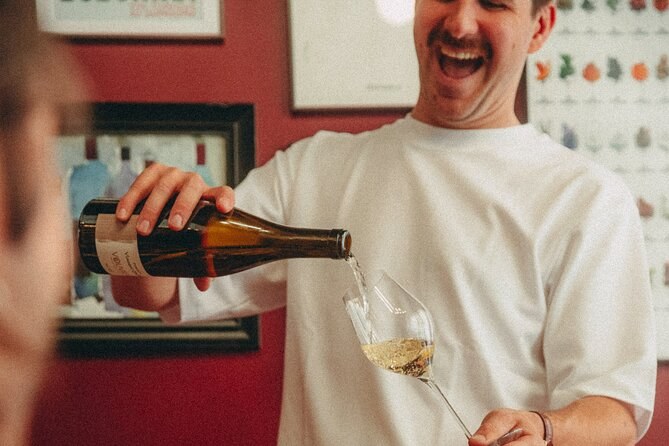
Six glasses and six cheeses in one room in the 15th, with somebody explaining the pairing rather than pouring it.
From $96 per person
Check Availability