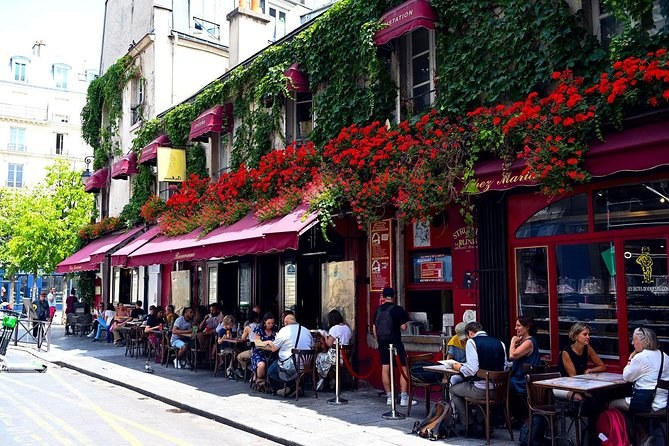
Paris Le Marais Food Tour With 10+ Tastings, Cheese, Wine & More
Day one, the Marais: ten-plus tastings, flat streets, and the quarter that orients you fastest.
From $105 per person
Check Availability
Put one guided walk on day one in the Marais, keep day two for the Left Bank and your own discoveries, and give day three to Montmartre or a day out of the city. Never book a second walk on the same day, do not book anything for the morning after a full-meal walk, and remember that the markets are shut on Monday.
Three days in Paris is nine meals, and the mistake is to fill them all. A guided walk is not a meal, it is two or three meals compressed into an afternoon, and it re-shapes the day either side of it.
So the sequence below is built around appetite rather than geography: eat big early, use what you learn, and keep the last day light enough to go back to the thing you liked best.
Land, drop your bags, and take a walk at two or three o'clock. The Marais is the right first quarter for three concrete reasons: it is flat, the stops are close together, and it carries more walks than anywhere else so you can get a place at short notice.
You will eat bread and viennoiserie, cheese, charcuterie, something hot, falafel on the Rue des Rosiers if your route takes it, and something sweet. Wine at most stops. You will finish at five or six with an address list and no need for dinner.
What to do with the evening: nothing ambitious. A glass somewhere near where you are staying, and an early night.
Start with the addresses from yesterday. A bakery you were taken to is a bakery you can now walk into alone, and the second croissant of a trip is always better than the first.
Then cross to the 6th. A Saint-Germain walk is the one that lets you choose its length: two hours if you want the afternoon back, three if you want cheese added. The Marché Saint-Germain is on the route and is open until eight, which almost no visitor knows.
If you would rather not book a second walk: the Rue Mouffetard and the Rue Montorgueil are both a morning each on your own, and the markets and streets page has what is where.
Two good answers, and they are different days.
Montmartre if you want to stay in the city. Every walk there is built as a full meal and finishes at the Sacré-Cœur, and it is a genuine climb, so it is the right shape for a day when your legs have warmed up.
Champagne if you have the whole day and want to be out of Paris for it. Ten to thirteen hours door to door, six to eight tastings, and a cathedral on the way. It eats the day completely, which is why it belongs at the end.
Cut day two. Take the Marais walk on the first afternoon and Montmartre on the second, and do your own eating in the gaps. One walk a day is the most anybody should attempt, and even that is a lot of food.
Spread them. A walk on day one, a day trip mid-week, a second walk in a new quarter towards the end, and four days of using what you learned. That shape is also the cheapest per day of enjoyment, because the addresses do most of the work.
Monday, if a market matters to you. Paris food markets close city-wide on Mondays, and on 1 January, 1 May and 25 December, so a Monday walk leans on bakeries and bistros instead of a market hall.
Sunday is the other one to think about: one reviewer found most of the chocolate shops shut on a Sunday Saint-Germain walk. Neither day is a write-off — they just change what the route can show you.
| Day | Morning | Afternoon | Evening |
|---|---|---|---|
| One | Arrive, settle | Marais food walk | A glass, and an early night |
| Two | Your own bakery run | Saint-Germain walk, two or three hours | Dinner, properly |
| Three | Either Montmartre in the afternoon, or a Champagne day trip from breakfast | Depends which | |
Eat something small and early, and then stop. The single most repeated piece of advice in this whole review pool is to come hungry, and the people who ignore it are the ones who describe not managing the last two stops.
A coffee and nothing else is the ideal. If you must eat, make it before ten for an afternoon departure, and keep it to a pastry rather than a hotel breakfast.
Use the morning for something that does not involve food at all: a monument, a park, a walk along the river. It is the one part of a food-focused trip where having nothing planned is the plan.
Closer than the map suggests. The Marais and the Latin Quarter are about twenty-five minutes apart on foot, ten on the metro. Saint-Germain is fifteen minutes from the Latin Quarter along the boulevard. Montmartre is the outlier: half an hour on line 4 or 12 from the Marais, plus the climb.
The practical rule is to let your accommodation choose your first booking and travel for the later ones, which the quarter guide sets out quarter by quarter.
Two to four kilometres on a city walk, spread over three hours with a stop every fifteen or twenty minutes. That is less than it sounds and more than it feels at the time, because you are standing as much as walking.
A day trip involves almost none: a minivan between stops, a cellar, a cathedral, a village street. If somebody in your party cannot walk far, the day out is the easier day despite being four times as long.
Mid-week and on its own. It leaves between seven and eight in the morning and returns between six and eight in the evening, so it is not an afternoon you can build around. Do not put it the morning after a full-meal walk, and do not put it on your last day if you have a flight.
Worth doing the arithmetic before you book, because the walk is the visible cost and the rest is not. One guided walk at the middle of the range is about $120 a head. Nine other meals across three days, eaten well but not extravagantly, run $40 to $70 a head a day.
So the walk is roughly a fifth of the food budget for a three-day trip, and it buys the shortlist that improves the other four-fifths. That is the strongest argument for putting it on day one rather than day three, and it survives whatever you think of guided tours in general.
Use yesterday's list. That is the whole point of the shape above: a guided walk hands you six to ten addresses, and the rest of the trip is spent going back to two of them and following the guide's asides to the others.
Beyond that, the three quarters with no guided walk at all are the best of the unstructured days. Rue Montorgueil for a morning, Canal Saint-Martin for an evening of natural wine and bakeries, Belleville for the cheapest and most various eating in the city. None of them is on any route here, and the quarter guide says what each one does.
If you only have three days and you want Champagne, give it day two rather than day three. A flight home on the evening of a thirteen-hour day trip is a plan that goes wrong at the first traffic jam on the A4.
And take the walk first even then. The day out lands better when you already know what a proper cheese tastes like, which is a thing the Marais teaches you in an afternoon.
Saturday afternoon in the Marais and Sunday morning on your own. That is the whole itinerary, and it is a good one: Saturday is the busiest day for the markets and the easiest for a full grid of departures, and Sunday morning is when Paris does its own shopping.
Do not try for a second walk on the Sunday. You will still be full, and a third of the chocolate shops will be shut.
One evening with nothing in it. Somewhere in three days you will walk past something you want to go back to, and a trip with no slack cannot take you there. That is the single most useful hour in this itinerary and it is the one nobody plans.
Every walk and day trip, with the quarter, the hours and the fare on each card.
The practical detail — booking windows, meeting points, how hungry to arrive — is on planning your visit, and everything bookable is on the Paris Food Tours grid.
Day one, the Marais: ten-plus tastings, flat streets, and the quarter that orients you fastest.
From $105 per person
Check Availability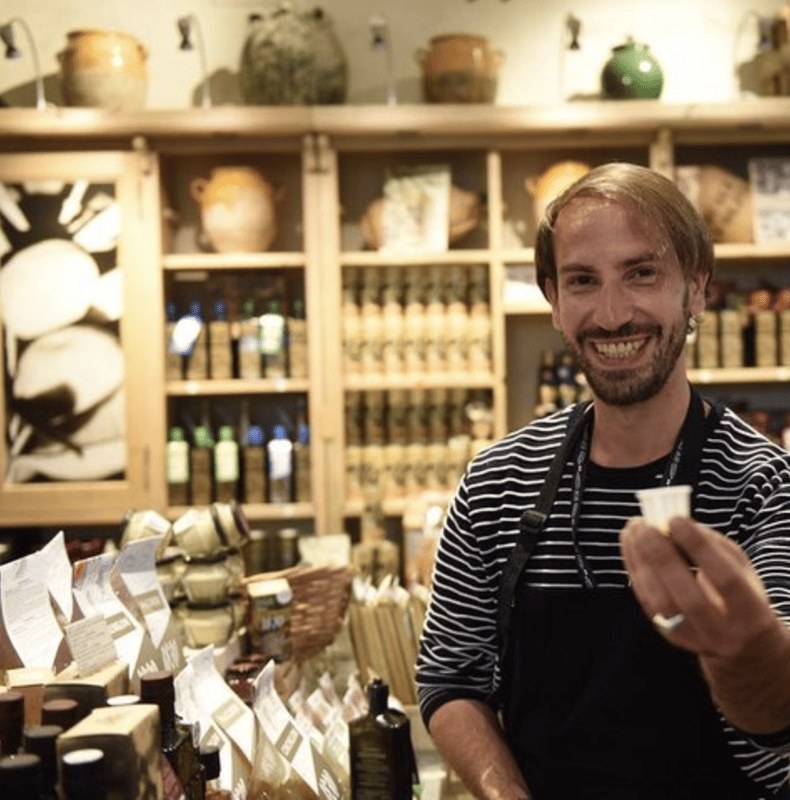
Day two, the Left Bank: two hours or three, and the market hall most visitors never find.
From $110 per person
Check Availability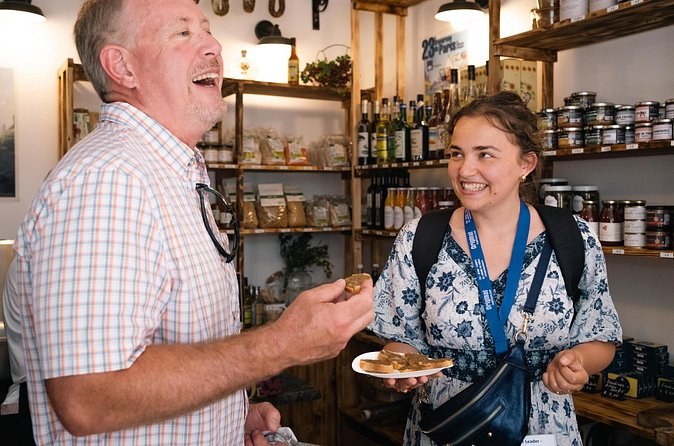
Day three, the hill: the most-reviewed route up Montmartre, finishing on the Sacré-Cœur terrace.
From $141 per person
Check Availability