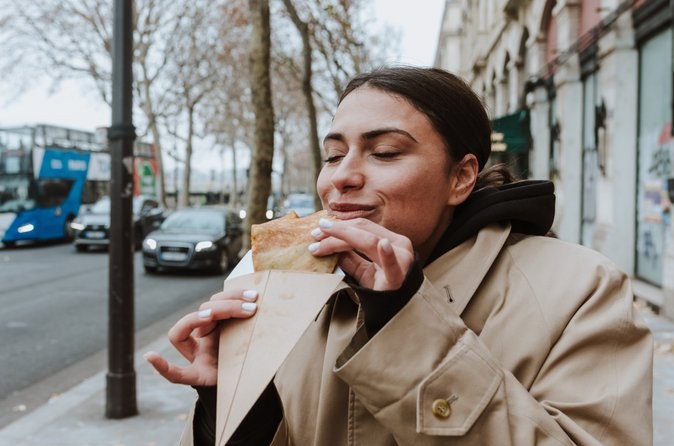
Paris Secret Food Tour with Cheese, Wines & Sweet French Tastings
Three hours, the joint-lowest fare, and a choice of quarter at booking. The city option at its cheapest.
From $80 per person
Check Availability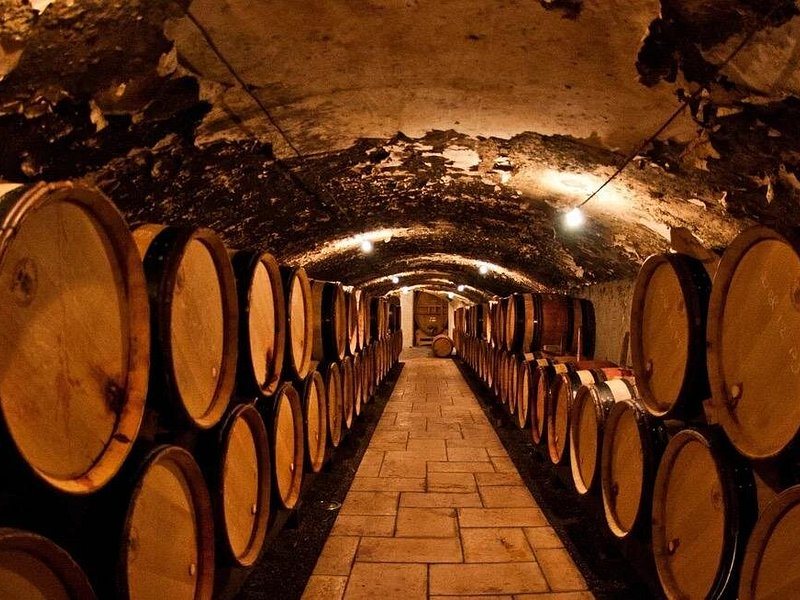
A Paris food walk costs $80 to $187 and takes an afternoon. A Champagne day trip costs $272 to $413 and takes the whole day. If it is your first trip to Paris, take the walk. If you have eaten in Paris before, or you care more about wine than about bread, take the day out — but do not try to do both on the same day.
| A Paris food walk | A Champagne day trip | |
|---|---|---|
| Fare | $80–$187 | $272–$413 |
| Hours | 2–3½ | 10–13 door to door |
| Group | 9–12 on foot | 8 in a minivan, mostly |
| Starts | A metro exit | Your hotel, or a café at breakfast |
| What you taste | Six to fifteen things, mostly food | Six to eight champagnes, plus lunch on two of them |
| Minimum age | Often 3–6, some 18 | 7 or 18, depending |
| Weather | Runs in rain; you walk between stops | Runs in rain; cellars are 10 °C all year |
It is the better first booking, for a reason that has nothing to do with price. A food walk is also an orientation walk: you finish it knowing a quarter, with a list of addresses you can use for the rest of the week. A good part of the review pool booked one for the first day deliberately.
It also fits a day rather than consuming one. Three hours in the afternoon leaves the morning and the evening intact, which on a short trip is the whole argument. The quarter guide covers which one to take.
Champagne is ninety minutes from Paris and you cannot taste it properly from inside the city. These days visit a grande marque house and a family grower, and the difference between those two is the thing you actually learn.
The extras are real: Reims cathedral, where the kings of France were crowned; the abbey at Hautvillers, where Dom Pérignon is buried; the Avenue de Champagne at Epernay. One reviewer who does not drink said the countryside and the cathedral carried the day on their own.
From a walk: a list of addresses, a rough map of one quarter in your head, and the confidence to order in a bakery. Several operators hand the list over in print, and one of them calls it an address book.
From a day out: an understanding of why one champagne costs four times another, which is genuinely hard to get at from inside a Paris wine bar. You also come back with bottles, because every one of these stops sells them.
First trip to Paris, three or four days: the walk, early in the trip.
Been before, or staying a week: the day out, mid-week, with a walk earlier.
Travelling with children: the walk. Two of the Champagne days are eighteen and over, and eleven hours in a minivan is a long day at any age.
Care most about wine: the day out, or, if you have only an afternoon, one of the seated tastings in the city.
Care most about bread, cheese and pastry: the walk, without question.
Collected between seven and eight in the morning, or meeting a minivan at a café on the Avenue des Ternes. Ninety minutes to two hours of motorway. Then a grande marque house with a cellar tour, a family grower who welcomes you personally, something to eat, and a stop at Reims or Epernay.
Back in Paris between six and eight. It is a full day and it is sold as one; the reviewers who rate it lowest are almost always the ones who expected an outing rather than an expedition.
Meet at a metro exit. Six to ten stops over three hours, none of them more than a few minutes apart, most of them counters rather than restaurants. One or two of them sit you down. You finish in the same quarter you started, usually at a square, and the guide hands over a list of addresses.
It ends while the evening is still in front of you, which is the practical difference between the two and the reason the walk is the better first booking.
Neither is a restaurant booking, and neither is a substitute for one. A food walk feeds you well and teaches you a quarter; a day in Champagne teaches you a region and pours a great deal of wine. If what you actually want is one outstanding meal in Paris, book a table and spend the money there instead — these are a different kind of evening and it is worth being clear about which you are buying.
Give them different days and put the walk first. It teaches you the vocabulary — what a proper cheese tastes like, what the wine is doing against it — and the day in Champagne lands better for it.
If your week only has room for one and you cannot choose, the dish list is the tiebreaker: read what is on a walk, and if most of it is food you want to eat, book the walk.
Every walk and every day trip on one page, with hours, group size and what each fare covers.
The day trips have their own page at Paris wine day trips, and everything else sits on the Paris Food Tours grid.
Three hours, the joint-lowest fare, and a choice of quarter at booking. The city option at its cheapest.
From $80 per person
Check Availability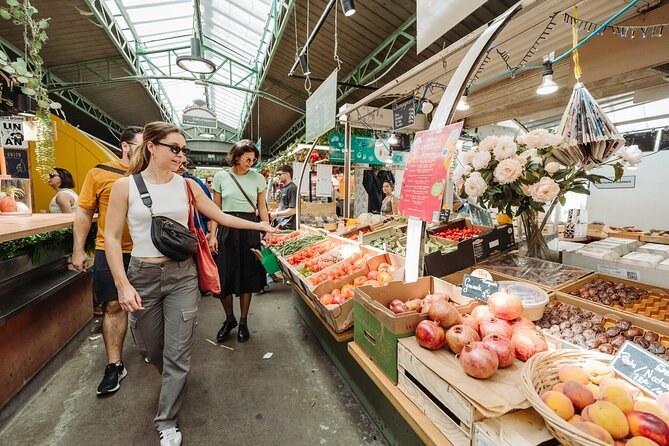
Three hours and eight named shops in the Marais. The city option at its most detailed.
From $119 per person
Check Availability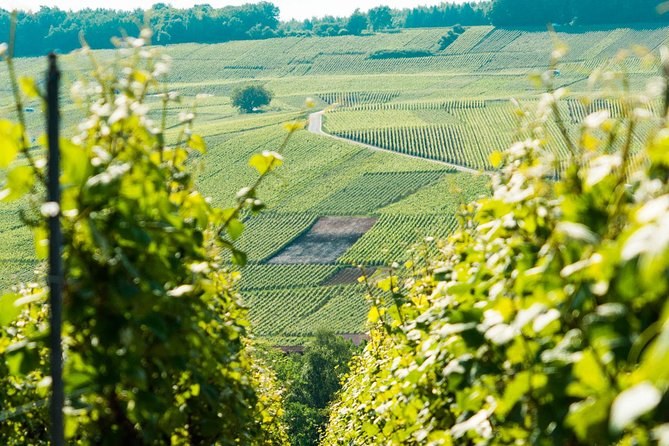
Eleven hours, six tastings, Reims cathedral and Dom Pérignon's abbey. The day out at its most reviewed.
From $271 per person
Check Availability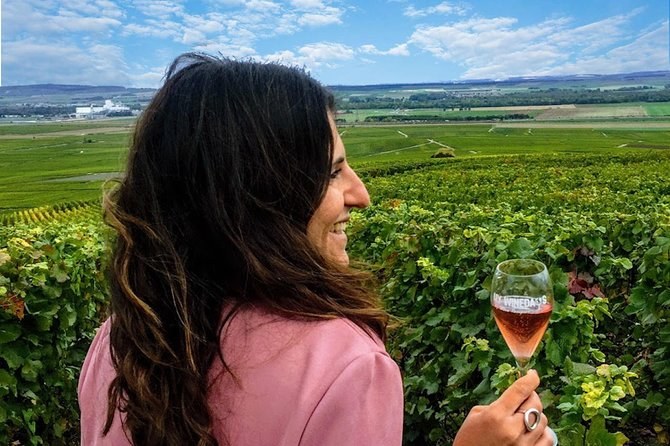
Eleven hours, eight-plus cuvées and a lunch poured against three of them, collected from your own door.
From $345 per person
Check Availability